
Toypudel is a name that resonates with dog lovers in Germany and beyond. As a compact, intelligent, and lively companion, the toypudel offers a unique combination of elegance and adaptability. We examine every meaningful aspect of this breed, from its historical roots and physical characteristics to health, grooming, training, and legal considerations relevant to owners in Germany. Our aim is to provide an exhaustive reference that helps prospective owners, current caretakers, and professionals make well informed decisions about living with and caring for a toypudel.
Historical background and origin of the toypudel
The toypudel traces its lineage to the poodle family, a group of dogs with deep European roots. Poodles emerged centuries ago as water dogs and retrievers, valued for their intelligence and dexterity. Over time, breeders selected for size variations to suit different roles and living conditions. The toypudel evolved as the smallest recognized variety, sought after for companionship and indoor living. In German culture the poodle, including the toypudel, has long been admired for its refined appearance and trainable nature.
Although exact records of the first toypudels are scarce, kennel clubs and breeding registries document a steady development during the nineteenth and twentieth centuries. The toypudel became especially popular in urban settings where compact size and low shedding were practical advantages. Across Europe, including Germany, the toypudel established a reputation as a loyal companion that also performs well in obedience and agility activities.
Classification and standards
Breed standards vary slightly among kennel clubs, but the toypudel is commonly recognized as the smallest size class of poodles. Official classification typically focuses on height at the withers, coat texture, head shape, and proportion. The German kennel club, as well as international organizations, list features that distinguish the toypudel from miniature and standard poodles. These standards guide responsible breeders who aim to preserve the breed’s health, temperament, and physical integrity.
Standard measurements and appearance
The toypudel is small, squarely built, and proportionate. Key physical features include a refined head, dark expressive eyes, and a dense curly coat that is hypoallergenic for many people. While exact numbers can vary, the toypudel typically measures under 28 centimeters at the withers. Body proportions emphasize balance rather than exaggeration. Tail docking is subject to local regulations and breeder practices, so current owners should verify legal requirements in Germany.
| Characteristic | Typical Range |
|---|---|
| Height at withers | Under 28 cm |
| Weight | Approximately 2.5 to 4.5 kg |
| Coat | Dense, curly, low shedding |
| Life expectancy | 12 to 16 years, often longer with good care |
Temperament and behaviour
Toypudel temperament typically blends intelligence with an eagerness to please. Social by nature, these dogs bond closely with family members and often show a gentle disposition toward children. Toypudels respond strongly to positive training methods and tend to learn quickly. Their alertness makes them good watchdogs; they notify owners of unusual sounds or visitors without being overly aggressive.
Like any companion breed, toypudel behaviour depends heavily on socialisation and environment. Early exposure to a variety of people, places, and other animals reduces fearfulness and prevents the development of problem behaviours. When left alone for long periods without stimulation, some toypudels may develop separation-related stress that can manifest as barking, chewing, or pacing. Providing mental challenges and establishing routines mitigates these risks.
Social needs and compatibility
Toypudels thrive in households where people include them in daily life. They suit single adults, families, and older adults alike. These dogs adapt well to apartment living, provided they receive daily exercise and interaction. Owners who travel frequently or work long hours should consider doggy daycare, trusted walkers, or adopt a pair so the dogs keep each other company. In homes with children, we advise supervising interactions initially to teach respectful handling from both sides.
Health overview and common conditions

Overall, toypudels are known for robust health, but they have breed-specific predispositions that caregivers should monitor. Regular veterinary care, preventative measures, and a health-aware breeding program reduce the incidence of inherited conditions. Lifespan commonly extends into the mid to late teens with attentive care.
Genetic and breed-specific concerns
Several health issues merit attention in toypudels. Responsible breeders screen for these conditions to lower heritability:
- Patellar luxation, where the kneecap can slip out of place
- Progressive retinal atrophy and other ophthalmic disorders affecting vision
- Dental disease due to small jaw size and crowded teeth
- Hypothyroidism and certain immune-mediated disorders
Pre-breeding health tests and selection against affected dogs are standard among reputable breeders. Genetic counselling and documentation of clearances help protect future generations.
Preventative care and veterinary schedule
We recommend the following routine for most toypudels:
- Regular vaccinations according to the regional schedule
- Yearly wellness checks including dental exam and weight assessment
- Eye and orthopedic screenings for puppies slated for breeding
- Parasite prevention for fleas, ticks, and intestinal worms
Early detection of problems such as dental disease or joint abnormalities allows for conservative management and improved outcomes. Owners should seek emergency care for symptoms like sudden lameness, collapse, severe respiratory distress, or acute loss of appetite.
Nutrition and feeding guidelines
Proper nutrition supports longevity, vitality, and temperament. Toypudels have small stomachs and faster metabolisms compared with larger breeds, so energy-dense, nutrient-rich diets are appropriate. As a general approach we suggest feeding balanced, high-quality commercial diets formulated for small breeds or life stage appropriate options approved by veterinarians.
Portion control and feeding frequency
Dividing the daily ration into two or three meals reduces the likelihood of hypoglycemia in toy breeds and helps maintain consistent energy throughout the day. Food quantity depends on age, activity level, body condition, and health. Monitor body condition score rather than relying solely on weight to determine if adjustments are necessary.
Special considerations and supplements
Common interventions include dental chews or routine dental care to limit plaque accumulation. Joint supplements containing glucosamine and chondroitin may be useful for dogs with early orthopedic changes, but owners should consult the veterinarian before starting any supplement. Avoid overweight and obesogenic foods; obesity shortens lifespan and worsens chronic conditions.
Grooming and coat care
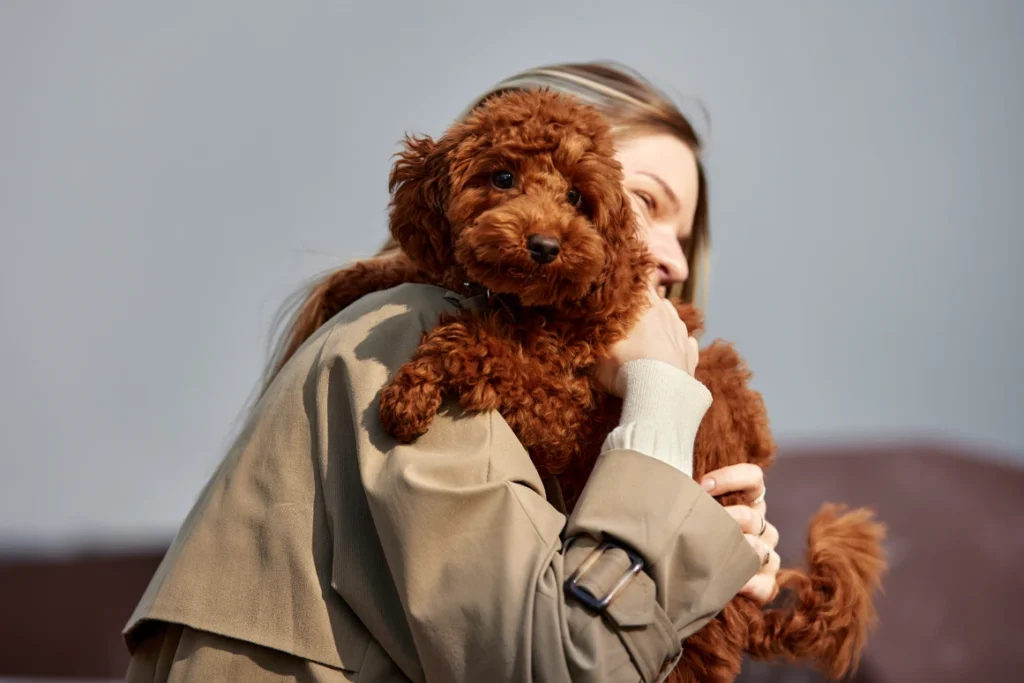
The toypudel coat is a defining characteristic that requires consistent attention. Curly coats trap less loose hair, which reduces airborne allergens for many people, but they also mat easily if neglected. Regular grooming keeps the coat healthy and preserves the classic poodle silhouette when desired.
Daily and weekly routine
Brushing several times per week prevents tangles and distributes natural skin oils. A slicker brush, metal comb, and detangling spray designed for poodles work well. Owners who prefer the traditional poodle clip will schedule professional grooming every 4 to 8 weeks depending on coat length. For those who want a low-maintenance look, shorter trims or puppy cuts reduce grooming time but still require routine combing and ear cleaning.
Bathing, ears and nails
Bath frequency depends on activity and skin sensitivity. Use mild, dog-specific shampoos and condition as needed. Check ears weekly for debris, odor, or redness; poodles may be prone to ear infections if hair inside the canal is not maintained. Regular nail trims prevent discomfort and postural changes. If the dog tolerates it, train them early to accept brushing and nail trimming to reduce stress during grooming sessions.
Training and mental engagement
Intelligence is a hallmark of the toypudel. These dogs excel in training and derive satisfaction from problem solving. Positive reinforcement methods build trust and speed learning. Consistency, brief training sessions, and rewarding desired behaviours make progress both efficient and enjoyable for dog and owner.
Basic obedience and advanced activities
Start with essential cues such as sit, down, recall, and leave it. Once basic obedience is reliable, many toypudels flourish in activities that provide mental and physical challenge. Agility, rally, nose work, and obedience competitions are suitable outlets. Such activities also strengthen the human-dog bond and reduce unwanted behaviours stemming from boredom.
Handling common behavioural challenges
Separation anxiety and excessive barking are the most frequently reported concerns among small, close-bonded breeds. Early socialisation, graduated departures, and environmental enrichment reduce separation related issues. For persistent problems, behaviour modification with professional guidance produces the best outcomes. We encourage owners to avoid punitive approaches; these often worsen anxiety and harm the bond.
Exercise needs and activity planning
Despite their small size, toypudels require regular exercise to maintain physical and mental health. Daily walks combined with short play sessions meet activity needs for most dogs. Rotate activities to include scent games, puzzle toys, and controlled off leash play where allowed. Supervised play with toys and siblings can be particularly beneficial for young dogs.
Sample weekly activity plan
An example plan that balances structure and variety:
- Daily 20 to 40 minute walk, adjusted for age and gait
- Two short play sessions or training sessions of 10 to 15 minutes
- One structured mental challenge such as a nose work session or puzzle feeder
- Weekend longer stroll or controlled social outing
Adapt the plan for seniors, puppies, or dogs with special medical needs. Puppies require shorter walks with frequent rest periods and careful monitoring of growth plates during high impact activities.
Living with a toypudel in Germany: practical considerations
Owning a toypudel in Germany presents specific practicalities to consider. Urban living, housing regulations, and public transport rules influence daily care routines. We outline the major points relevant to German owners and to those considering relocation to Germany with a toypudel.
Housing and apartment life
Toypudels adapt well to apartments if exercise and stimulation are provided. Many German cities offer pet-friendly housing but check lease terms carefully for restrictions. Establishing a consistent routine for toileting, feeding, and exercise reduces stress on the dog and minimizes issues with neighbours.
Public transport and local laws
German rules for dogs on public transport vary by region and transport operator. Smaller dogs may be allowed on buses, trams, and trains often requiring them to stay in a carrier or wear a muzzle in certain cases. Owners should verify local regulations and respect hygiene rules. Microchipping and registration requirements differ among municipalities; registering the dog with local authorities ensures compliance and access to veterinary services and pet tax (Hundesteuer) information.
Veterinary care and insurance
Germany has a high standard of veterinary care. Many owners choose to enrol their pets in pet insurance to cover unexpected costs such as surgeries or chronic disease management. Compare policies for coverage limits, exclusions, and waiting periods. Routine care remains the owner responsibility, but insurance can reduce financial barriers to advanced diagnostics and treatment.
Selecting a toypudel: breeder, rescue or adoption
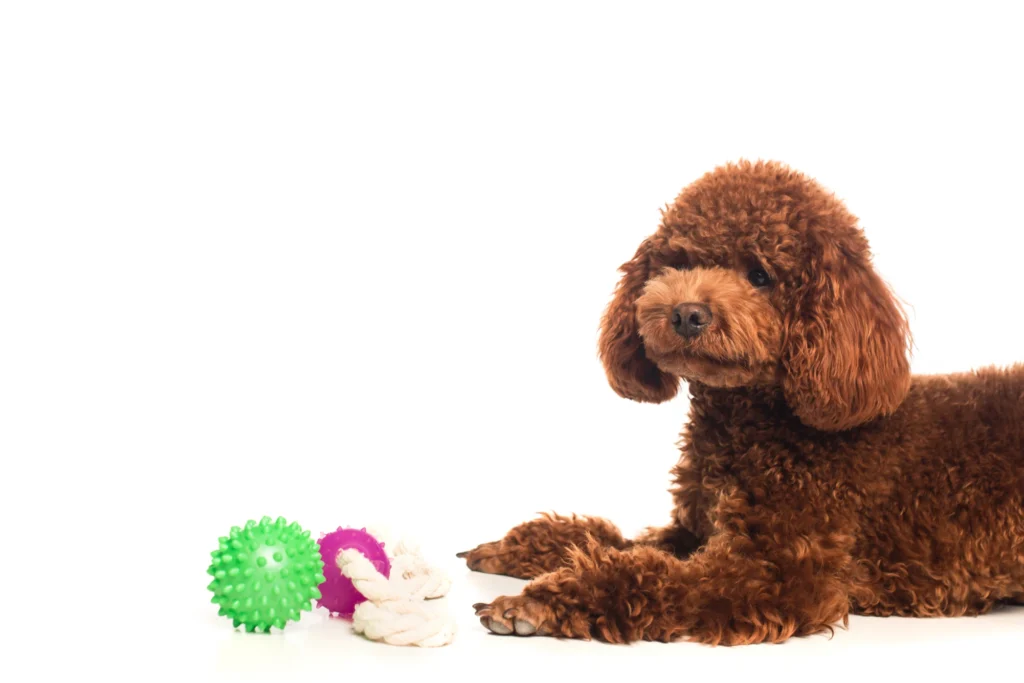
Choosing the right source for a toypudel is a crucial decision. Ethical breeding, rescue organisations, and shelters all place dogs into new homes, but the experiences differ significantly. We examine the pros and cons of each route and present guidance to identify reputable breeders or appropriate adoption paths.
Finding a responsible breeder
Reputable breeders prioritise health, temperament, and breeding ethics. Key attributes to look for:
- Health testing of parents with accessible certificates
- Transparent breeding practices and willingness to answer questions
- Clean, socialised environments for puppies with early handling
- Written health guarantees and contractual clauses for return if needed
A responsible breeder will invite prospective owners to visit, allow them to meet the puppy with its mother, and provide documentation for vaccinations, microchip, and lineage if applicable. Avoid breeders who pressure quick sales, lack documentation, or appear to prioritise profit over welfare.
Adoption and rescue
Rescue organisations and shelters are valid and humane routes to acquiring a toypudel or poodle mix. Adoption may present unexpected behaviours or health needs but also offers the reward of giving a dog a stable home. When adopting, ask about medical histories, prior training, and compatibility with your household. Many rescues will perform behaviour assessments and facilitate introductions to families.
Breeding ethics and genetic responsibility
Breeding toypudels responsibly demands a commitment to genetic health, welfare, and the breed standard without compromising the dog’s well being. Ethical breeders avoid inbreeding and screen for hereditary issues. They also prepare owners for the responsibilities of pet ownership and provide long term support if problems arise. Commercial puppy mills and unregulated breeders typically fail to meet these standards and often create long term welfare problems.
Questions to ask a breeder
Prospective buyers should ask direct questions to evaluate breeder quality. Important inquiries include:
- Which health tests have been performed on the parents and can we see the results?
- How do you socialise and care for puppies prior to sale?
- Do you provide a written contract and health guarantee?
- Are you willing to take the dog back if our circumstances change?
Answers that are evasive or incomplete are a warning sign. A responsible breeder will be as interested in the future home as the buyer is in the puppy.
Common myths and misunderstandings
Several misconceptions about toypudels persist among the public. We address these to help readers separate fact from fiction.
Myth 1: Toypudels are fragile and unsuitable for families
While small and delicate compared with larger breeds, toypudels are resilient when handled respectfully. Proper training of children and supervision prevents accidental injury. With correct socialisation, the breed integrates well into active family life.
Myth 2: Toypudels do not need exercise because they are small
Size does not eliminate the need for activity. Toypudels require daily walks and mental challenges commensurate with their intelligence. Failing to provide these leads to behavioural problems irrespective of the dog’s size.
Myth 3: Toypudels are allergy free
No dog is truly hypoallergenic for every person. The toypudel coat reduces shedding and may suit people with certain allergies, but individual responses vary. Prospective owners with allergies should spend time with a toypudel before committing.
Traveling and mobility with a toypudel
Whether travelling within Germany or abroad, planning ensures comfort, safety, and legal compliance. Carry essential documents, including vaccination records and microchip information. For international travel, review quarantine rules and pet passports. Many EU countries accept the EU pet passport system which simplifies cross-border movement for vaccinated animals.
Air travel and carriers
Small size means some toypudels can travel in-cabin, but airlines have size and weight restrictions. Use properly ventilated carriers that meet transport regulations and acclimatise your dog to the carrier in advance. For longer journeys, schedule breaks for toileting and exercise. Consult your veterinarian before long trips, especially for seniors or dogs with health concerns.
Geriatric care and senior years
As toypudels age they gain specific care needs. Regular screening for arthritis, dental disease, metabolic disorders, and cognitive changes improves quality of life. Modify activity to low impact exercises and adapt feeding to the reduced metabolic demands of older dogs. Pain management and a comfortable environment support mobility and independence in the senior years.
End of life decisions and support
Compassionate planning for advanced age includes discussing palliative options with a veterinarian, evaluating quality of life objectively, and considering hospice care where appropriate. Making end of life choices in consultation with professionals reduces emotional burden and ensures decisions align with the dog’s best interests.
Costs of ownership
Understanding the financial responsibilities prepares owners for both expected and emergency expenses. Costs include purchase or adoption fees, initial veterinary checks, vaccinations, microchipping, spaying or neutering, routine care, grooming, insurance, food, and equipment. Budgeting for potential health issues and preventive screening avoids crisis-driven decisions and protects the dog’s wellbeing.
Community resources and training networks in Germany
Germany maintains a strong community of canine clubs, breed associations, and training schools. Local Hundeschulen provide structured classes for obedience, puppy socialisation, and sport activities. Breed clubs offer resources, recommended breeders, and events where owners can meet experts and other toypudel enthusiasts. These communities are valuable sources of localized advice and support.
Frequently asked questions
Are toypudels good with children?
Toypudels can be excellent companions for children when interactions are supervised and both child and dog are taught respectful boundaries. Early socialisation and gradual exposure to family life improve compatibility.
How often should a toypudel visit the groomer?
Professional grooming every 4 to 8 weeks is typical for dogs kept in traditional poodle trims. Owners choosing shorter trims may extend intervals but still need routine brushing and ear checks between visits.
Do toypudels bark a lot?
Barking varies by individual temperament and training. Early training to limit nuisance barking, environmental enrichment, and clear communication reduce excessive vocalisation.
What is the average lifespan?
Most toypudels live between 12 and 16 years. Lifespan depends on genetics, preventative care, diet, and lifestyle.
Practical checklist for new owners
This concise checklist prepares the household for a new toypudel. It is not exhaustive but covers primary items to address before bringing the dog home:
- Secure a veterinarian and schedule a wellness visit
- Purchase appropriate food, bowls, collar, leash, and carrier
- Create a grooming plan and schedule first professional groom
- Set up a safe sleeping area and remove hazards at home
- Plan a gradual introduction to family members and other pets
Conclusion
The toypudel stands out as a companion that combines refined appearance, keen intelligence, and affectionate temperament. For families, singles, and seniors in Germany, the toypudel offers practical advantages and deep emotional rewards when cared for responsibly. From health screenings and grooming needs to training and community engagement, a well prepared owner can support a toypudel through a long and fulfilling life. We hope this detailed guide informs your decisions and supports the strong, respectful relationship you will build with a toypudel.